

Long before Mount Etna became a symbol of Sicily and one of the most active volcanoes in Europe, it already existed in the imagination of the ancient Greeks as a place of divine power—wild, untamed, and sacred. According to mythology, Hephaestus, the god of fire, craftsmanship, and metalworking, had his forge hidden deep beneath the slopes of Etna. Together with the Cyclopes, he forged weapons for the gods of Olympus—the thunderbolts of Zeus, Athena’s shield, and the armor of legendary heroes.
The fire erupting from the crater, the smoke rising above the mountain, and the flowing lava were not seen as geological phenomena. To the ancient Greeks, they were signs of Hephaestus at work—sparks from his forge, the breath of divine fire, proof that creation was constantly taking place beneath the earth’s surface. Etna was not merely a mountain; it was a living entity where divine force met raw matter.
In other versions of the myth, Etna also served as the prison of the monster Typhon, defeated by Zeus and trapped beneath the mountain. His attempts to break free were believed to cause earthquakes and eruptions. Through this story, the Greeks explained the volcano’s violence and unpredictability—as a struggle between order and chaos, divine control and primordial power.
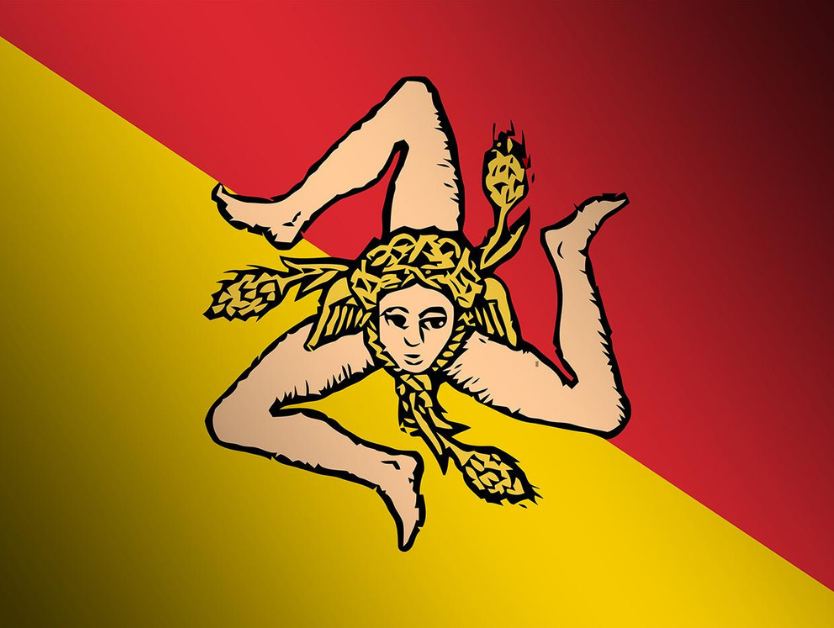
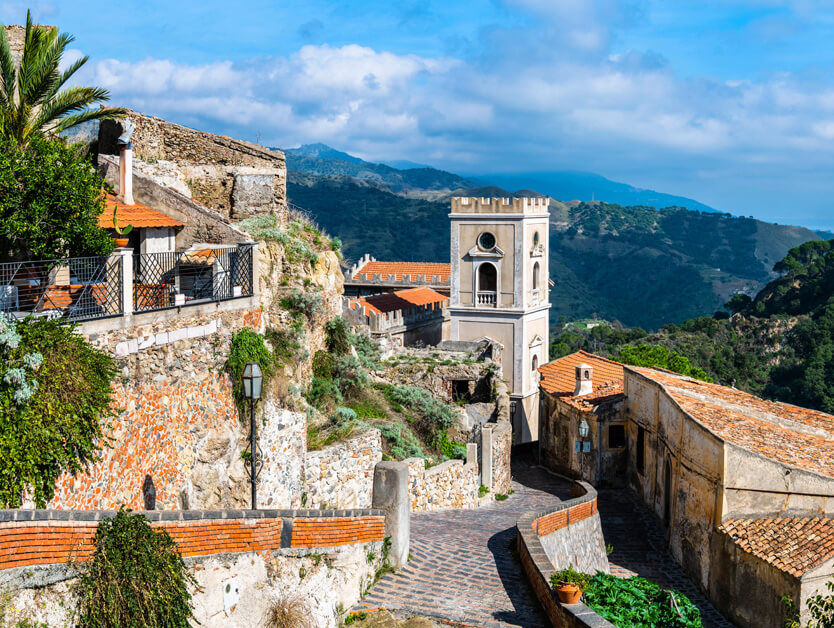
Although Etna lies in modern-day Italy, in ancient times Sicily was part of the Greek world. From the 8th century BCE, Greek settlers founded cities, ports, and colonies across the island, making it a key region of what was known as Magna Graecia (Greater Greece). Greek language, culture, beliefs, and mythology were deeply rooted here long before Roman rule. To the ancient Greeks, Etna was the most spectacular volcano of the known world—immense, fiery, dangerous, and at the same time extraordinarily fertile. This contrast made it the perfect subject for myth: destructive yet creative, threatening yet life-giving. Mythology was a way to understand and give meaning to such overwhelming natural forces.
Fire that destroys — land that nourishes
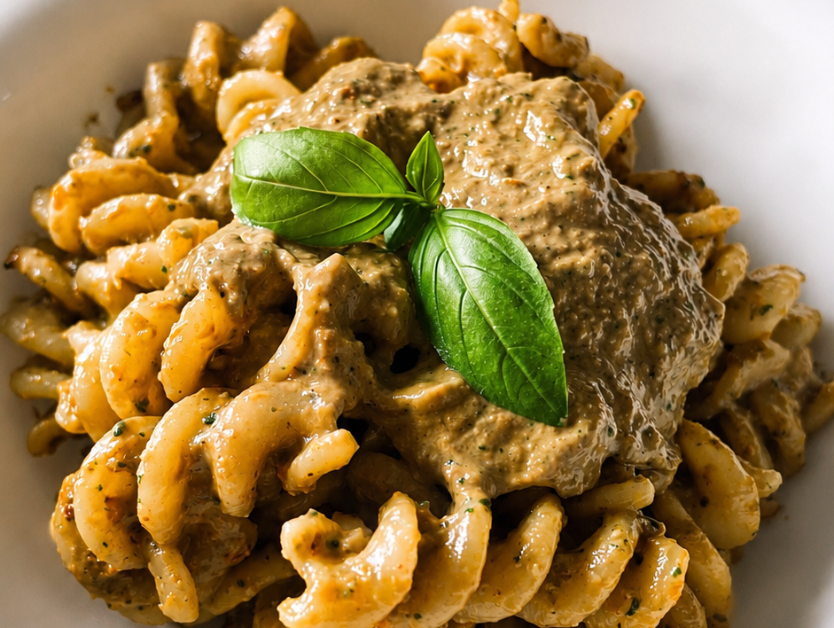
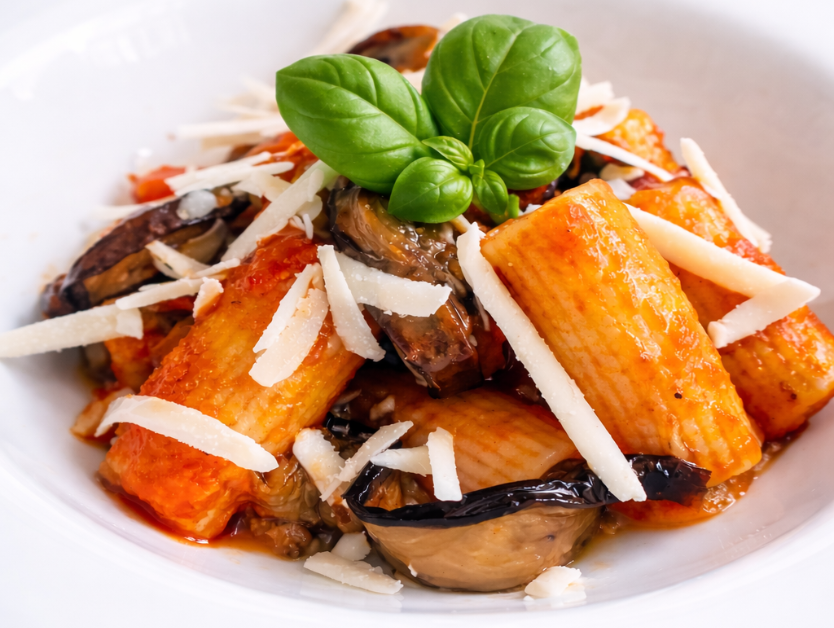
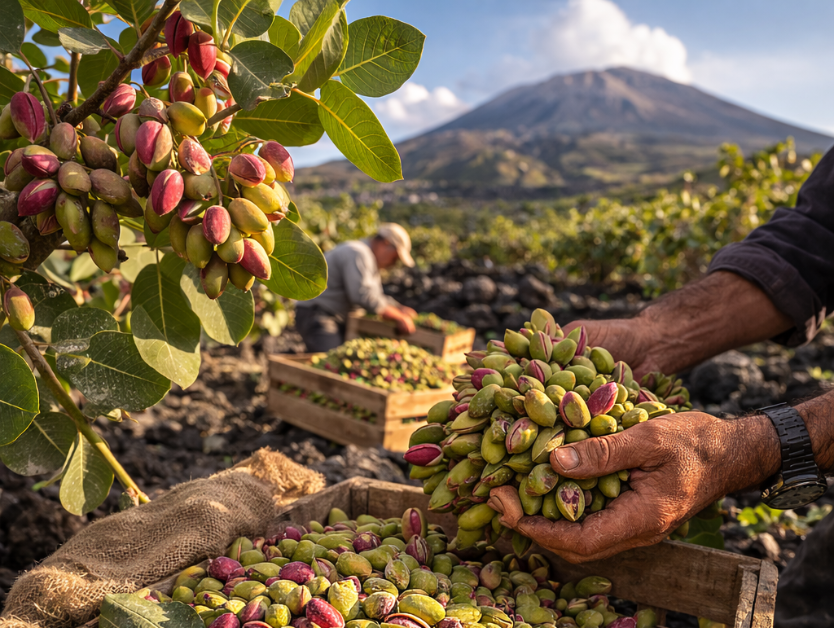
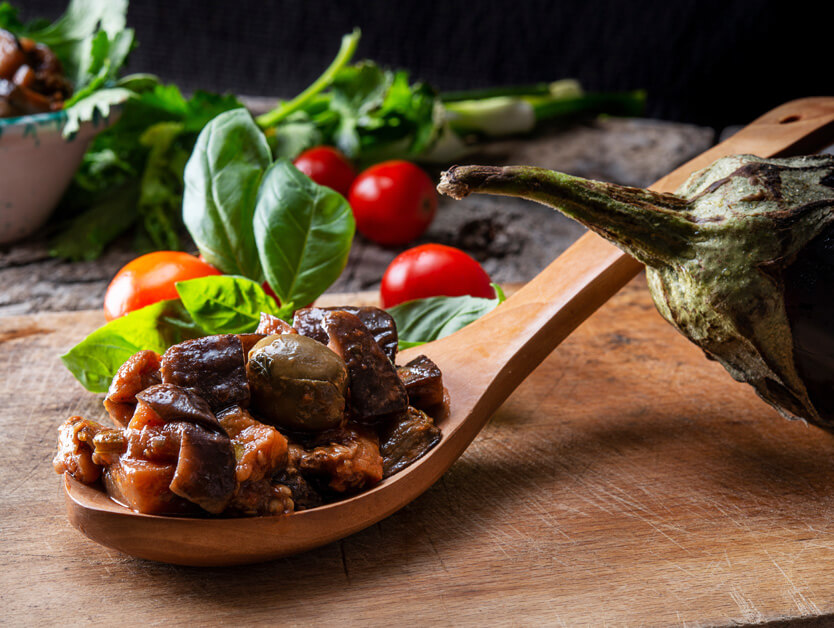
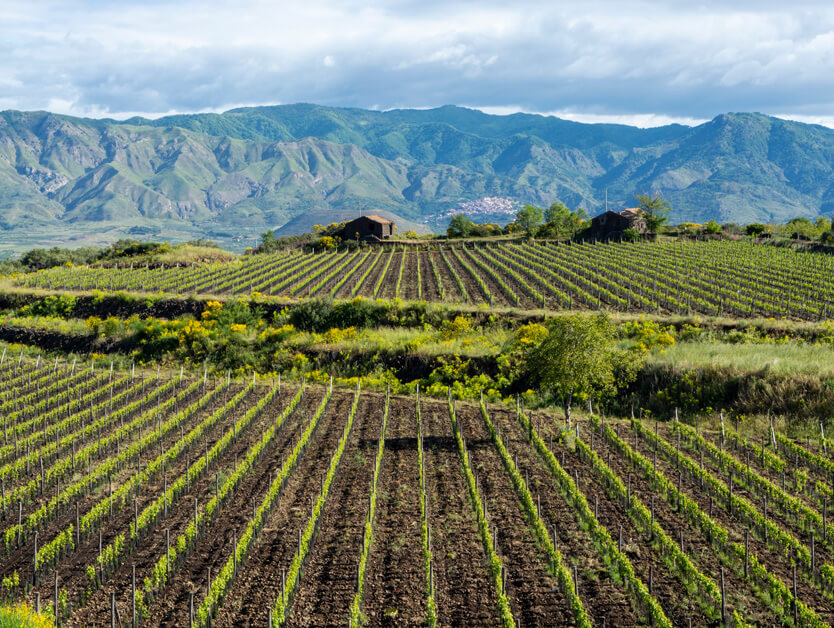
What the ancient Greeks explained through myth is today confirmed by nature itself. The volcanic soil of Mount Etna, rich in minerals, gives everything that grows there exceptional intensity, depth of flavor, and character. Vineyards, olive groves, pistachio trees, fruits, and vegetables all draw their strength from the same force the Greeks once imagined as the fire of Hephaestus.
That is why Etna remains, to this day, a symbol of creative fire—a power that destroys, yet also gives life. And perhaps this is why the myth of the divine forge beneath the volcano still feels so relevant: because everything born on the slopes of Etna truly carries a trace of fire within it.